

Every destination has a signature attraction.
Some are known for towering mountains.
Others for historic monuments or bustling cities.
Korba tells its story through nature.
Located in northern Chhattisgarh, the district is often recognised for its forests, rivers, coal reserves, and power generation. Yet beyond its industrial identity lies another side of Korba that many travellers never discover—a landscape of dense Sal forests, flowing rivers, scenic waterfalls, and quiet valleys that remain largely untouched by mass tourism.
For trekkers, this makes Korba especially rewarding.
The journey isn't defined by a single viewpoint or summit. Instead, it unfolds gradually through changing landscapes, where forest trails, rivers, rocky outcrops, and nearby natural attractions combine to create an experience that feels authentic and refreshingly uncrowded.
Whether you're planning the Korba Jungle Trek or extending your stay to explore the surrounding region, these natural escapes reveal why Korba deserves far more attention from nature lovers than it currently receives.
A Landscape Shaped by Forests and Rivers
Nature has always played a defining role in Korba's geography.
Much of the district is covered by forested areas that support diverse plant and animal life, while the Hasdeo River—one of Chhattisgarh's major river systems—flows through the district, sustaining ecosystems, agriculture, and local communities alike.
The surrounding landscape is a mix of rolling hills, forest valleys, seasonal streams, and rocky terrain. During the monsoon, these forests become intensely green as rainwater feeds countless small water channels. In winter, clear skies and comfortable temperatures make the region ideal for outdoor exploration.
This variety is what makes the Korba Jungle Trek appealing.
The experience isn't limited to walking beneath tree cover. The surrounding landscape constantly changes, offering open viewpoints, river crossings, shaded trails, and opportunities to appreciate the region's natural diversity.
Unlike many crowded trekking destinations, Korba still retains a sense of quietness that allows visitors to experience nature at its own pace.
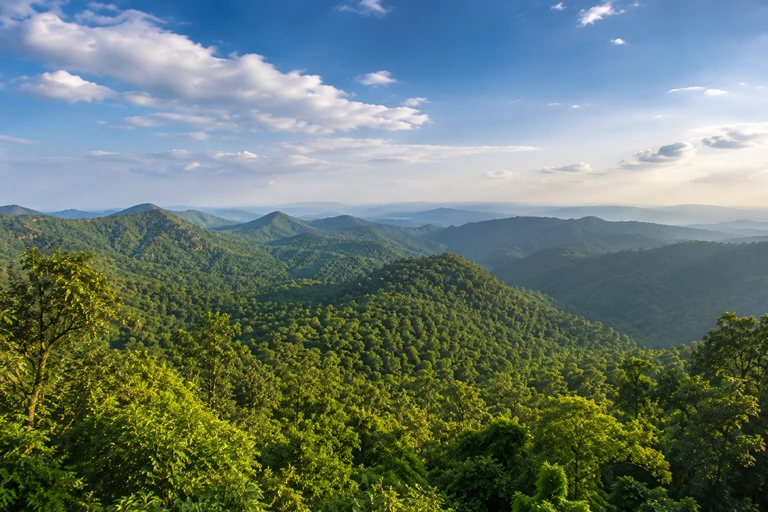
Kendai Waterfall: Korba's Most Recognised Natural Attraction
Among Korba's best-known natural landmarks, Kendai Waterfall stands out for both its beauty and accessibility.
Situated amidst forested surroundings, the waterfall drops dramatically over rocky cliffs, creating a spectacular sight, particularly during and immediately after the monsoon season when water flow is at its strongest.
Unlike waterfalls hidden behind long hiking routes, Kendai has become one of the district's most visited nature spots because it combines scenic beauty with relatively easy access.
The surrounding vegetation enhances the experience throughout the year.
During the rainy season, the landscape becomes lush and vibrant.
Winter offers cooler weather and clearer views, making it a pleasant time for sightseeing and photography.
For travellers visiting the Korba Jungle Trek, Kendai Waterfall can become an excellent addition to a broader exploration of the district's natural attractions rather than being considered part of the trek itself.
That distinction is important.
The waterfall complements the trekking experience without replacing it.
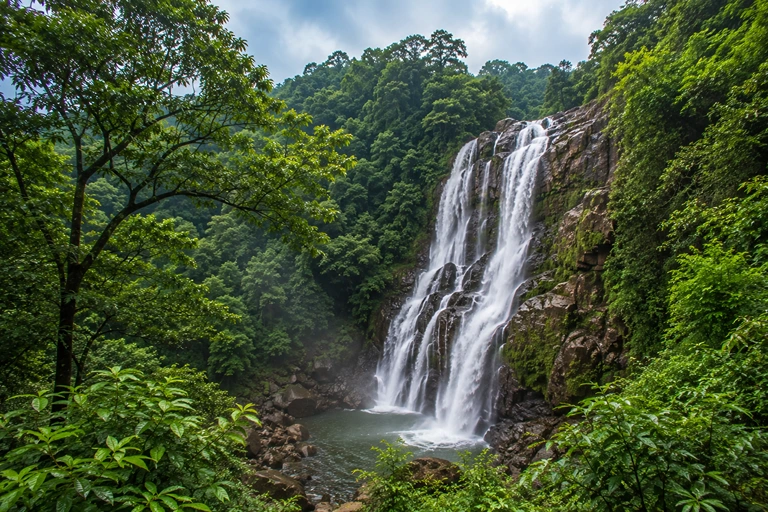
The Hasdeo River: The Lifeline of Korba
Every region has a natural feature that quietly shapes its identity.
For Korba, that feature is the Hasdeo River.
Flowing across large parts of northern Chhattisgarh, the river supports forests, agriculture, wildlife habitats, and nearby settlements. Over centuries, it has influenced how communities have lived, farmed, and interacted with the surrounding landscape.
For travellers, the Hasdeo is not simply a river to photograph.
It represents the ecological foundation of the region.
Many forest streams eventually connect with larger river systems, creating habitats that sustain birds, insects, amphibians, and countless plant species.
When exploring Korba, understanding the role of the Hasdeo River offers a deeper appreciation of why these forests remain so ecologically significant.
Healthy forests and healthy rivers have always depended on each other.
Did You Know?
The Hasdeo River is a major tributary of the Mahanadi River and plays an important role in supporting both the ecology and economy of northern Chhattisgarh.
Beyond the Famous Attractions
While Kendai Waterfall often receives the most attention, Korba's greatest strength lies in its collection of smaller natural experiences.
Forest roads lined with towering Sal trees.
Seasonal streams flowing quietly after rainfall.
Rocky viewpoints overlooking green valleys.
Birdsong echoing through dense woodland.
These moments rarely appear in guidebooks.
Yet they are often the memories travellers cherish most.
Unlike destinations where every attraction has become a crowded photo stop, Korba still allows visitors to appreciate nature without constant noise or commercial development.
That sense of space has become increasingly rare in popular trekking destinations across India.
Nature Rewards Those Who Slow Down
Travelling through Korba is different from visiting a city where attractions are checked off one after another.
The landscape encourages a slower pace.
Instead of rushing from one location to the next, visitors naturally spend more time observing their surroundings.
The changing colours of the forest.
The patterns created by sunlight filtering through the trees.
The sound of flowing water after seasonal rainfall.
The quiet movement of butterflies among wildflowers.
These details often become the most meaningful part of the journey.
Nature doesn't compete for attention.
It quietly invites it.
For trekkers, photographers, and anyone seeking a genuine connection with the outdoors, this slower rhythm is one of Korba's greatest strengths.
If you'd like to understand how these forests support an extraordinary variety of birds, butterflies, native trees, and wildlife, read our detailed guide on Wildlife, Forests & Biodiversity of Korba Jungle Trek.
Dev Pahari: Where Forests, Hills and Water Come Together
Another remarkable natural attraction in the Korba district is Dev Pahari (also known as Govind Kunj). Nestled amidst forested hills, this peaceful location is known for its scenic surroundings, where the Chornai River flows through rocky terrain before forming a beautiful cascade.
Unlike larger commercial tourist destinations, Dev Pahari offers a quieter experience. Visitors often come here to enjoy the landscape, spend time in nature, and appreciate the calm atmosphere created by the surrounding forests.
Its appeal isn't just the waterfall itself.
It is the journey through the forested landscape that makes the destination memorable.
The winding roads, the changing terrain, and the gradual transition from woodland to flowing water create an experience that reflects the natural character of Korba.
For travellers exploring the region after completing the Korba Jungle Trek, Dev Pahari is another destination worth including in their itinerary.
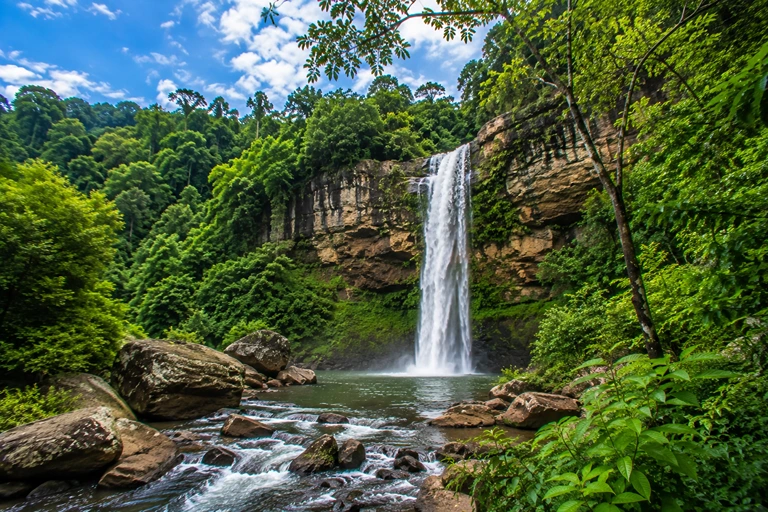
Every Season Reveals a Different Side of Korba
One of Korba's greatest strengths is that its landscape continues to evolve throughout the year.
Monsoon (July–September)
The arrival of the southwest monsoon transforms the district.
Forests become vibrant green, streams begin flowing with renewed energy, and waterfalls such as Kendai become significantly more dramatic. The fresh foliage also creates ideal conditions for nature photography.
However, trekkers should always follow local weather advisories, as heavy rainfall can affect trail conditions and accessibility.
Winter (October–February)
For many visitors, winter is the most comfortable season to explore Korba.
Cool temperatures, pleasant daytime weather, and clearer skies make trekking and sightseeing enjoyable. The forests remain green after the monsoon, while the comfortable climate encourages longer walks and outdoor exploration.
Summer (March–June)
Although daytime temperatures are higher, early mornings and evenings continue to offer peaceful opportunities to experience the forests. Seasonal streams may carry less water, allowing visitors to observe different geological features and riverbeds that remain hidden during wetter months.
Rather than having a single "best" season, Korba offers a different experience with each visit.
The Value of an Uncrowded Destination
Many of India's most famous trekking destinations face increasing visitor numbers every year.
While popularity brings recognition, it often comes with traffic, commercialisation, crowded viewpoints, and a reduced sense of wilderness.
Korba offers something increasingly difficult to find.
Space.
The forests feel natural rather than overdeveloped.
Nature trails remain peaceful.
Visitors can spend time appreciating birdsong instead of loudspeakers.
Photographers often find uninterrupted landscapes instead of queues waiting for the same viewpoint.
This quieter atmosphere is not a weakness.
It is one of Korba's greatest strengths.
For travellers seeking meaningful experiences in nature rather than checking famous destinations off a list, Korba delivers something increasingly valuable—authenticity.
Did You Know?
Large forest landscapes like those found in Korba help regulate local climate, improve groundwater recharge, reduce soil erosion, and provide habitat for countless plant and animal species. Protecting these ecosystems benefits both biodiversity and nearby communities.
Exploring Nature Responsibly
The beauty of Korba depends on the health of its forests and waterways.
Every visitor has an opportunity to help preserve them.
Responsible travel begins with simple choices.
Carry reusable water bottles instead of single-use plastic.
Stay on established paths to reduce unnecessary disturbance to vegetation.
Avoid collecting plants, rocks, or natural souvenirs.
Take back everything you bring into the forest.
Keep noise levels low so wildlife can continue behaving naturally.
Support local guides and responsible tourism operators who understand the landscape and help protect it.
These practices require very little effort but make a significant difference in preserving Korba's natural heritage for future generations.
Nature Is More Than a Destination
The forests around Korba are not simply places to visit.
They are living ecosystems.
The rivers nourish the trees.
The trees provide habitat for wildlife.
The forests support local communities.
The communities, in turn, preserve traditions deeply connected to the landscape.
Understanding these relationships transforms the journey.
Instead of seeing separate attractions, visitors begin to appreciate Korba as one interconnected natural system where every element supports another.
That perspective often becomes the most valuable memory travellers take home.
Continue Exploring Korba
Nature is only one chapter of Korba's story.
If you're interested in understanding the remarkable biodiversity supported by these forests, explore our guide to Wildlife, Forests & Biodiversity of Korba Jungle Trek, where we look at the region's native trees, birds, butterflies, and ecological importance.
To discover how people have lived alongside these forests for centuries, read Ancient Rock Paintings & Tribal Heritage of Korba Jungle Trek, which explores the region's archaeological heritage and indigenous culture.
If you're looking for a complete introduction to why this destination deserves a place on every nature lover's bucket list, don't miss The Jungle That Time Forgot: Why Korba Jungle Trek is Chhattisgarh's Best Hidden Adventure.
And when you're ready to plan your own adventure, our detailed Korba Jungle Trek Itinerary includes route information, inclusions, travel guidance, and upcoming departures.
Frequently Asked Questions
Is Kendai Waterfall part of the Korba Jungle Trek?
No. Kendai Waterfall is one of Korba district's most popular natural attractions and can be visited as a separate excursion while exploring the region. It should not be described as a mandatory stop on every Korba Jungle Trek itinerary.
Which natural attractions should I visit near the Korba Jungle Trek?
Popular nature attractions in the region include Kendai Waterfall, Dev Pahari (Govind Kunj), the Hasdeo River, forest landscapes, and scenic viewpoints spread across the district.
Which season is best for exploring nature around Korba?
The post-monsoon and winter months generally offer pleasant weather, lush forests, and good conditions for trekking, sightseeing, and photography.
Is Korba suitable for nature photography?
Yes. Dense forests, rivers, waterfalls, seasonal landscapes, and abundant greenery provide excellent opportunities for landscape and nature photography throughout much of the year.
How can travellers help protect Korba's natural heritage?
Travellers can help by avoiding litter, respecting wildlife, staying on designated trails, supporting responsible tourism operators, and following Leave No Trace principles during every visit.
Final Thoughts
The true beauty of Korba cannot be captured by a single waterfall, one viewpoint, or a single trekking trail.
It lies in the relationship between its forests, rivers, hills, and the communities that have lived alongside them for generations.
Exploring these natural landscapes alongside the Korba Jungle Trek offers a richer understanding of what makes this region special. Whether you choose to admire the power of Kendai Waterfall, experience the tranquillity of Dev Pahari, or simply pause beneath the shade of an ancient Sal forest, each place adds another layer to the story of Korba.
Some destinations impress you with scale.
Korba stays with you because of its simplicity.
Its quiet forests, flowing rivers, and untouched landscapes remind us that some of the most rewarding travel experiences are found not in the busiest tourist hotspots, but in places where nature still speaks for itself.