
Winter Treks
High-quality trekking adventures for every explorer.
High-quality trekking adventures for every explorer.
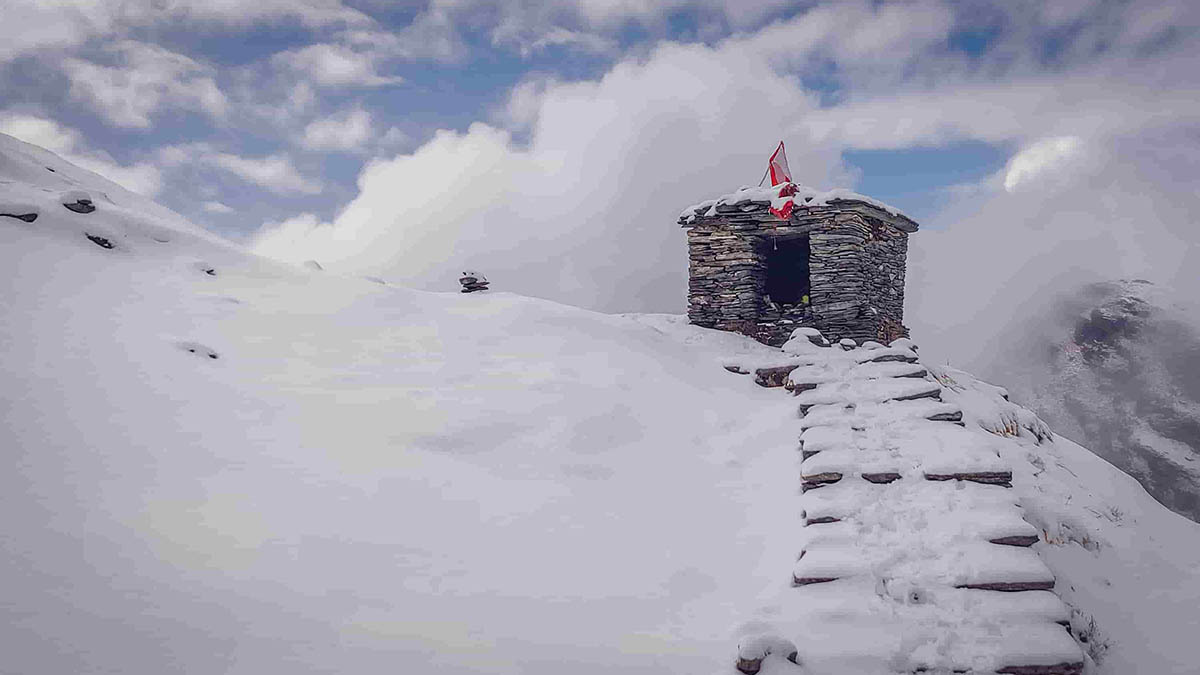
Embrace the magic of winter trekking in India (December to February) and discover a pristine, snow-covered Himalayan wonderland. Winter treks offer a completely unique adventure experience - walking through silent forests draped in fresh snow, camping under star-filled skies, and witnessing breathtaking sunrise views over snow-capped peaks. Popular winter treks like Kedarkantha, Brahmatal, and Dayara Bugyal are perfect for beginners wanting to experience their first snowfall, while more challenging routes like the Chadar Trek (frozen river trek) attract adventure enthusiasts from around the world. With professional guides, proper winter gear, and carefully planned itineraries, winter treks are safe, exhilarating, and truly unforgettable.
Frequently asked questions about Winter trekking
Yes, winter treks like Kedarkantha and Brahmatal are perfect for beginner snow trekkers and are often called the 'gateway to winter trekking' in India. These treks feature well-defined trails, gradual ascents, manageable walking distances of 4-7 km per day, and professional guides who provide comprehensive instruction on walking techniques in snow. Kedarkantha is frequently called the 'King of Winter Treks' due to its stunning 360-degree summit views and beginner-friendly nature. Wildvoyages provides all necessary winter equipment including microspikes for traction, gaiters to keep snow out of boots, and proper camping gear rated for sub-zero temperatures to ensure a safe and enjoyable experience for first-time snow trekkers.
The best winter treks in India for snow experiences include Kedarkantha Trek in Uttarakhand, known as the 'King of Winter Treks' for its stunning 360-degree summit views of Swargarohini, Bandarpoonch, and Black Peak; Brahmatal Trek offering frozen lake views and rhododendron forests covered in snow; Dayara Bugyal Trek with its expansive snow-covered meadows stretching for kilometers; the Chadar Trek (frozen river trek) in Ladakh for experienced adventurers seeking extreme winter conditions; and the Nag Tibba Trek for a short weekend winter experience. These treks operate from December to February when the Himalayas are covered in pristine, powdery snow.
For winter treks, pack heavy woolen and synthetic thermal clothing including thermal innerwear (top and bottom), fleece jackets (2 layers), a down jacket (rated for -10°C to -20°C), waterproof outer shell jacket and pants, insulated waterproof gloves (2 pairs), woolen cap (monkey cap or balaclava), neck gaiter, and thick woolen socks (3-4 pairs). Sturdy, insulated, waterproof trekking boots with high ankle support are essential. Wildvoyages provides high-quality rental equipment including microspikes for traction on ice, gaiters to keep snow out of boots, sleeping bags rated for sub-zero temperatures (-10°C to -20°C), and expedition-quality tents suitable for winter conditions.
The Kedarkantha Trek is one of India's most popular winter treks, located in Uttarakhand's Govind Wildlife Sanctuary at an altitude of 12,500 feet (3,810 meters). It is famous for its stunning 360-degree summit views of Himalayan peaks including Swargarohini, Bandarpoonch, Black Peak, and Ranglaya. The 6-day trek takes you through beautiful pine and oak forests, snow-covered meadows (Juda Ka Talab), and culminates in a summit climb that offers spectacular sunrise views over the snow-capped peaks. It's considered beginner-friendly despite reaching significant altitude, with well-defined trails and proper acclimatization schedules. December to February offers the best snow conditions for this iconic trek.
During winter treks (December to February), daytime temperatures range from 0°C to 8°C, while night temperatures can drop dramatically to -5°C to -15°C at higher altitudes above 8,000 feet. At summit points like Kedarkantha (12,500 ft) and Brahmatal (12,000 ft), temperatures can fall even lower due to wind chill, often reaching -10°C to -20°C during early morning summit attempts. Trekkers should be prepared for extreme cold conditions with proper layered clothing and high-quality winter gear. Wildvoyages ensures proper camping gear rated for sub-zero conditions to keep trekkers warm and safe throughout the trek.
Yes, snow trekking is safe for first-time trekkers when done with professional trekking organizations like Wildvoyages. Our winter treks are specifically designed with beginner safety as the top priority, including proper acclimatization schedules, experienced guides trained in winter mountain skills and avalanche safety, and comprehensive safety equipment including microspikes for traction on ice, gaiters to prevent snow entry, trekking poles for stability, and oxygen cylinders for altitude-related issues. Pre-trek fitness assessments ensure trekkers are physically prepared, and guides provide continuous support and instruction on walking techniques in snow, self-arrest methods, and winter camping skills.
Wildvoyages provides comprehensive winter safety equipment including microspikes (crampons) for traction on ice and compacted snow, gaiters to prevent snow entry into boots and keep feet dry, trekking poles for stability on snow-covered trails, ice-axes for stability on steep sections (for advanced treks), high-altitude sleeping bags rated for -10°C to -20°C, and expedition-quality tents designed to withstand snow and wind. Our guides carry radio communication devices for remote area connectivity, comprehensive medical kits with oximeters and sphygmomanometers, oxygen cylinders for altitude-related emergencies, and stretchers for emergency evacuations, ensuring complete safety during winter adventures.
The best winter treks for photography include Kedarkantha for its spectacular sunrise views over snow-capped peaks with 360-degree panoramic vistas, Brahmatal for frozen lake reflections surrounded by snow-laden rhododendron forests, Dayara Bugyal for expansive snow-covered meadow landscapes stretching across the horizon, and the Chadar Trek for unique frozen river landscapes with dramatic ice formations. Winter treks offer unique photography opportunities including golden hour lighting on pristine snow creating warm-cold color contrasts, dramatic cloud formations around mountain peaks, star trails in crystal-clear night skies, and the visual poetry of snow-covered forests and villages. Wildvoyages guides help trekkers identify the best photography spots along the trails.
Prepare for a winter trek with comprehensive cardiovascular training including running, cycling, swimming, and stair climbing for 8-10 weeks before the trek, as walking in snow requires significantly more energy than normal trekking. Wildvoyages provides pre-trek fitness guidance, community support groups, and personalized training plans. Strengthen leg muscles with squats, lunges, and step-ups to handle snow walking. Practice walking with a loaded backpack (10-12 kg) to build endurance. If possible, do practice hikes in cold weather to acclimate to winter conditions. Focus on building overall stamina as winter treks involve longer rest breaks due to cold conditions and require sustained energy output throughout the day.
Wildvoyages is the leading choice for winter treks due to our comprehensive safety protocols, highly experienced guides trained in winter mountain skills and avalanche safety, and unwavering commitment to quality equipment. We provide high-quality rental gear including microspikes, gaiters, sub-zero sleeping bags (-10°C to -20°C), and expedition-quality tents . Our pre-trek fitness assessments ensure trekkers are physically prepared, while regular medical check-ups during treks monitor oxygen saturation and blood pressure. We maintain radio communication devices for remote connectivity, carry oxygen cylinders for emergencies, and have well-defined evacuation protocols. Our knowledgeable guides share insights about winter ecology, mountain safety, and ensure an enriching adventure experience. With Wildvoyages, you get the perfect blend of adventure, safety, and expert guidance for an unforgettable winter trekking experience.