
November Treks
High-quality trekking adventures for every explorer.
High-quality trekking adventures for every explorer.
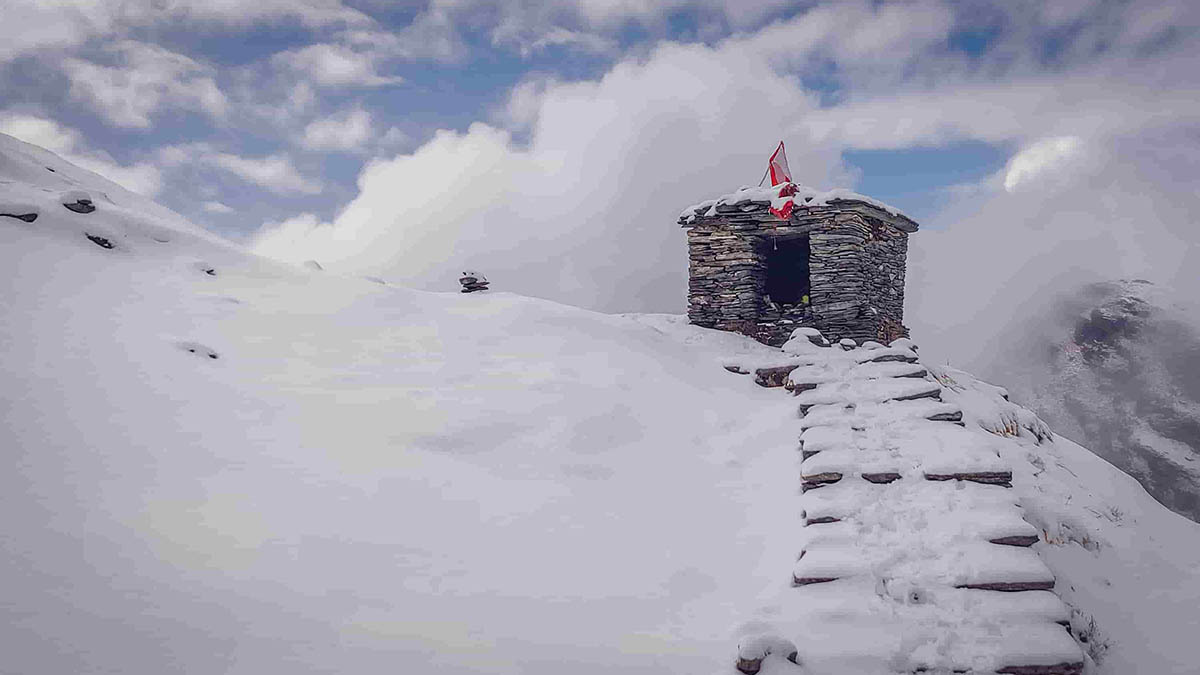
November offers trekkers a unique window into the transition from autumn to winter in the Himalayas. Early November continues the beautiful autumn conditions with clear skies, golden landscapes, and comfortable trekking weather. As the month progresses, the first winter snow begins to dust the higher peaks and passes, adding a touch of winter magic to the autumn scenery. November treks like Kedarkantha, Brahmatal, and Dayara Bugyal start receiving early snow, making them perfect for trekkers who want to experience both autumn colors and the first snow of the season. This is also an excellent time for lower-altitude treks, which remain pleasant and accessible with fewer crowds.
Frequently asked questions about November trekking
The best treks in November for early winter experiences include Kedarkantha Trek, which begins receiving its first snow creating beautiful winter landscapes; Brahmatal Trek with early snow and frozen lake views; Dayara Bugyal Trek with snow-covered meadows; Nag Tibba Trek for weekend winter experiences; and Kuari Pass Trek offering the last of autumn colors with early snow. November marks the transition from autumn to winter, offering trekkers the opportunity to experience both autumn colors and the first snow of the season. Treks like Kedarkantha are at their best in November, with fresh snow creating pristine white landscapes while the trails remain accessible for beginners.
Yes, November is an excellent month for Himalayan trekking, offering the unique opportunity to experience the transition from autumn to winter. Early November continues the clear skies and autumn colors of October, while late November brings the first significant snowfalls of the season. Daytime temperatures range from 5°C to 15°C at lower altitudes, while higher altitudes experience 0°C to 10°C. November offers the advantage of fewer crowds than October, providing peaceful trekking experiences. Popular winter treks like Kedarkantha and Brahmatal begin their season in November, offering trekkers the chance to experience fresh snow without the extreme cold of peak winter. It's an ideal month for trekkers wanting to experience both autumn beauty and winter magic.
November treks in the Himalayas experience daytime temperatures ranging from 5°C to 15°C at mid-altitudes (5,000-10,000 feet), while higher altitudes above 10,000 feet see temperatures between 0°C to 10°C. Night temperatures range from -5°C to 5°C, with significant drops as the month progresses. Early November typically has clear, stable weather with continued autumn conditions, while late November brings the first winter snowfalls and colder temperatures. The skies remain relatively clear between snow events, offering good mountain views. Trekkers should be prepared for cold conditions, especially at night, and the possibility of snow. Layered clothing including thermal wear, fleece, down jackets, and waterproof outer shells is essential.
For November treks, pack comprehensive winter layering including thermal innerwear (top and bottom), fleece jackets (2 layers), a down jacket rated for sub-zero temperatures, waterproof outer shell jacket and pants, insulated waterproof gloves, woolen cap, neck gaiter, and thick woolen socks. Sturdy, waterproof trekking boots with good grip are essential. Wildvoyages provides high-quality rental equipment including microspikes for traction on early snow, gaiters, sleeping bags rated for sub-zero temperatures, and trekking poles. Essential gear includes sunscreen SPF 50+, UV protection sunglasses, and a comfortable backpack (40-60 liters). As November conditions vary, check with your trek leader for specific gear recommendations based on your chosen trek.
The Kedarkantha Trek in November offers a magical experience as the first snow of the season transforms the landscape into a winter wonderland. The 6-day trek takes you through pine and oak forests that may be dusted with fresh snow, meadows at Juda Ka Talab covered in white, and culminates in a summit climb to 12,500 feet with spectacular 360-degree views of Himalayan peaks. November offers the advantage of fresh, powdery snow without the extreme cold of peak winter (December-January), making it ideal for beginners wanting to experience their first snow trek. The trails are less crowded than December, providing more peaceful experiences, while the clear days between snowfalls offer spectacular mountain views.
The best November treks for beginners include Kedarkantha Trek, which is designed for first-time snow trekkers with well-defined trails and gradual ascents; Nag Tibba Trek for a short weekend winter experience; Dayara Bugyal with its gentle snow-covered meadows; and Brahmatal Trek for those wanting to experience early winter conditions. November offers ideal conditions for beginners with fresh snow that is not too deep, manageable walking distances of 4-7 km per day, and experienced guides who provide instruction on snow walking techniques. The temperatures are cold but not extreme, and the trails are well-established. Wildvoyages provides all necessary winter equipment including microspikes, gaiters, and proper camping gear for beginners.
Wildvoyages implements comprehensive safety measures for November treks including experienced guides trained in early winter conditions, regular medical check-ups monitoring oxygen saturation and blood pressure, oxygen cylinders for altitude-related emergencies, radio communication devices for remote connectivity, and well-defined evacuation protocols. We provide microspikes for traction on early snow, gaiters, and high-quality winter camping gear. Our guides conduct daily briefings on trail conditions, weather forecasts, and safety procedures. We monitor weather patterns for early snowfalls and maintain flexibility to adjust itineraries based on conditions. Our staff-to-trekker ratio ensures personalized attention, and we ensure proper acclimatization schedules for higher-altitude treks.
The best November treks for photography include Kedarkantha for capturing the first snow of the season against autumn landscapes; Brahmatal for early snow on rhododendron forests; Kuari Pass for the last of autumn colors with early snow on peaks; and Dayara Bugyal for expansive snow-covered meadow landscapes. November offers unique photography opportunities including the contrast of fresh white snow against remaining autumn colors, the first winter landscapes of the season with pristine snow, clear skies between snowfalls offering spectacular mountain views, and the magical quality of light during the transition season. The combination of autumn remnants and early winter creates diverse and unique photographic subjects.
To prepare for a November trek, begin cardiovascular training at least 6-8 weeks before your trek including running, cycling, and stair climbing to build endurance for walking in potentially snowy conditions. Wildvoyages provides pre-trek fitness guidance and personalized training plans. Build leg strength with squats, lunges, and step-ups to handle snow walking. Practice walking with a loaded backpack (10-12 kg) to build endurance. Invest in or rent proper winter clothing and gear. Understand altitude acclimatization principles if trekking at higher altitudes. Mental preparation including being ready for cold conditions and possible snow is essential. November treks require good physical fitness and proper preparation for successful early winter experiences.
November is special for Himalayan trekking as it offers the unique opportunity to experience the transition from autumn to winter, combining the best of both seasons. Early November continues the clear skies and spectacular mountain views of autumn, while late November brings the first magical snowfalls of winter. Trekkers can witness the last autumn colors giving way to pristine white landscapes, creating unique visual experiences. November also offers the advantage of fewer crowds than October and December, providing peaceful trekking experiences on popular winter treks like Kedarkantha. The weather is cold but not extreme, making it ideal for beginners wanting to experience their first snow trek. For trekkers seeking to experience the magic of the first winter snow without the extreme cold of peak winter, November represents the perfect transition month for Himalayan trekking.