
March Treks
High-quality trekking adventures for every explorer.
High-quality trekking adventures for every explorer.
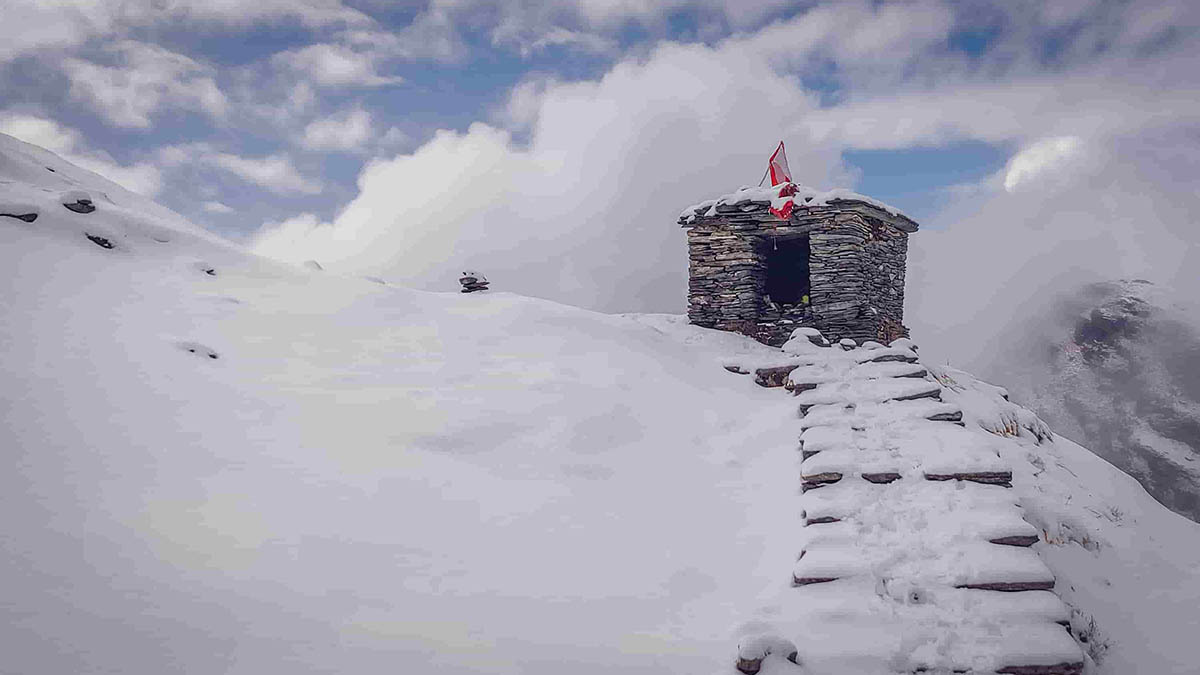
March offers trekkers the unique opportunity to experience the best of both worlds - lingering winter snow at higher altitudes and the first signs of spring in lower regions. This transitional month creates incredibly diverse trekking experiences, from walking through snow-covered trails to witnessing the first blooms of rhododendrons painting the forests in vibrant red and pink hues. March treks like Kedarkantha still offer excellent snow conditions early in the month, while treks like Dayara Bugyal and Har Ki Dun showcase the magical transformation from winter to spring. The weather becomes more pleasant, with warmer daytime temperatures making trekking comfortable, while nights remain cool enough for cozy campfire experiences.
Frequently asked questions about March trekking
March is perfect for early spring treks including Chopta Tungnath Trek, offering stunning views of the Chandrashila summit with the first signs of spring greenery; Dayara Bugyal Trek with its meadows transitioning from snow to fresh green; Kuari Pass Trek showcasing early rhododendron blooms in the lower forests; and Har Ki Dun Trek with its picturesque valley beginning to show spring colors. March offers a unique combination of lingering winter snow at higher altitudes and the first blooms of spring at lower elevations. Trekkers can experience the best of both seasons, with daytime temperatures becoming more pleasant (5°C to 15°C) and trails becoming accessible after winter.
Yes, March is an excellent time for Himalayan trekking as it marks the transition from winter to spring, offering trekkers the best of both seasons. Early March still offers excellent snow conditions for winter treks like Kedarkantha and Brahmatal, while late March showcases the first blooms of rhododendrons and spring flowers in lower-altitude treks. The weather becomes increasingly pleasant with daytime temperatures ranging from 5°C to 15°C, and nights becoming less cold than winter months. March also offers clear skies with spectacular mountain views, fewer crowds than summer months, and trails that are neither too crowded nor too challenging. It's perfect for trekkers who want to experience snow and spring colors in one season.
March treks in the Himalayas experience daytime temperatures ranging from 5°C to 15°C at mid-altitudes (5,000-10,000 feet), while higher altitudes above 10,000 feet see temperatures between 0°C to 10°C. Night temperatures range from -5°C to 5°C, becoming milder as the month progresses. Early March may still have snow at higher elevations and occasional snowfalls, while late March sees snow retreating from lower trails. The weather is generally stable with clear skies, though afternoon cloud build-up can occur. Spring brings variable conditions, and trekkers should be prepared for both cold nights and pleasant days. Wildvoyages monitors weather patterns to ensure safe and enjoyable trekking conditions.
For March treks, pack layered clothing to accommodate variable conditions including thermal innerwear, fleece jackets (2 layers), a lightweight down jacket for cold nights and early mornings, a waterproof outer shell for unexpected weather, and quick-dry trekking pants. Sturdy waterproof trekking shoes with good ankle support are essential as trails may have mixed conditions of snow and mud. Essential gear includes sunscreen SPF 50+, UV protection sunglasses, a warm cap, gloves, and a comfortable backpack (40-60 liters). Wildvoyages provides high-quality rental equipment including sleeping bags rated for sub-zero temperatures, tents, and trekking poles. As March conditions vary, check with your trek leader for specific gear recommendations based on your chosen trek.
The Chopta Tungnath Trek in March offers a unique experience as the region transitions from winter to spring. The trek takes you through the beautiful forests of Chopta, known as 'Mini Switzerland of Uttarakhand,' to the highest Shiva temple in the world at Tungnath (12,000 feet), and continues to the Chandrashila summit offering panoramic views of Himalayan peaks including Nanda Devi, Trishul, and Chaukhamba. Early March may still have snow covering the trail, offering a winter trekking experience, while late March sees the first rhododendron blooms adding splashes of red to the landscape. The 3-4 day trek is suitable for beginners and offers stunning sunrise views from the Chandrashila summit.
Rhododendrons typically start blooming in late March in the lower Himalayan regions, with the first flowers appearing around mid to late March depending on altitude and weather conditions. The bloom begins at lower elevations (5,000-7,000 feet) in late March and progresses to higher altitudes through April. Popular treks for early rhododendron viewing in March include the lower sections of Kuari Pass Trek, Har Ki Dun Trek, and the Chopta-Tungnath region where the forests come alive with vibrant red and pink flowers. Trekkers in late March can witness the beginning of this spectacular natural display, with the full bloom continuing through April. The exact timing varies yearly based on winter conditions and spring temperatures.
Yes, March treks are excellent for beginners as the weather becomes more pleasant, trails are well-defined, and conditions are less extreme than peak winter. Beginner-friendly March treks include Chopta Tungnath Trek with its moderate difficulty and stunning summit views; Dayara Bugyal with its gentle meadow walks; and Har Ki Dun with its gradual ascents through picturesque valleys. These treks feature manageable walking distances of 4-8 km per day, comfortable camping conditions, and experienced guides who ensure safety. March also offers the advantage of seeing both winter snow and spring greenery, making it a visually rewarding first trekking experience. Wildvoyages provides comprehensive support including gear, guidance, and safety protocols for beginners.
Wildvoyages implements comprehensive safety measures for March treks including experienced guides who understand the transitional weather patterns of early spring, regular medical check-ups monitoring oxygen saturation and blood pressure, oxygen cylinders for altitude-related emergencies, radio communication devices for remote connectivity, and well-defined evacuation protocols. Our guides conduct pre-trek briefings covering trail conditions, variable weather expectations, and safety procedures. We monitor weather forecasts continuously and maintain flexibility to adjust itineraries based on conditions. We provide quality camping equipment appropriate for March conditions and ensure proper acclimatization schedules for treks at higher altitudes. Our staff-to-trekker ratio ensures personalized attention throughout the trek.
The best March treks for photography include Chopta Tungnath for stunning sunrise views from Chandrashila summit with snow-capped peaks; Kuari Pass for capturing the transition from snow to spring with views of Nanda Devi; Har Ki Dun for picturesque valley landscapes with early spring greenery; and Kedarkantha for those wanting winter photography with the first signs of spring. March offers unique photography opportunities including the contrast of lingering snow against emerging greenery, the first rhododendron blooms against snow-covered peaks, golden hour lighting on mountain landscapes, and clear skies offering spectacular mountain views. The transitional season creates diverse visual elements that make March a rewarding month for mountain photography.
To prepare for a March trek, begin cardiovascular training at least 4-6 weeks before your trek including walking, jogging, cycling, and stair climbing to build endurance. Wildvoyages conducts pre-trek fitness assessments and provides personalized preparation guidance. As March conditions can vary, ensure you have appropriate layered clothing for both cold and warmer conditions. Practice with your trekking gear, build leg strength with squats and lunges, and prepare for mixed trail conditions including snow, mud, and dry sections. Focus on core strength and balance for variable terrain. Mental preparation including researching your trek, understanding altitude acclimatization, and maintaining realistic expectations will enhance your experience. March treks require good physical fitness but are accessible to motivated beginners with proper preparation.