
February Treks
High-quality trekking adventures for every explorer.
High-quality trekking adventures for every explorer.
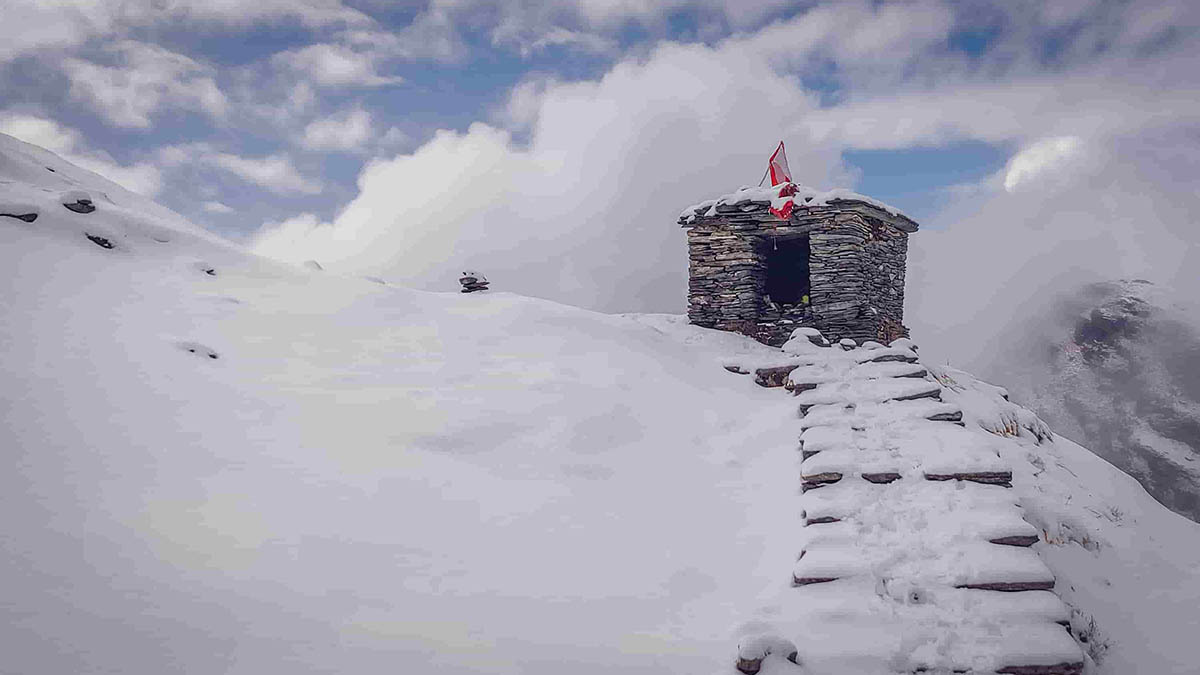
February continues the magnificent winter trekking season in the Indian Himalayas, offering some of the deepest snow conditions and most stable weather of the winter months. This is the perfect time for snow lovers to experience pristine white landscapes, dramatic mountain views against clear blue skies, and the unique thrill of snow camping. February treks like Kedarkantha, Brahmatal, and the stunning Kuari Pass offer trekkers the chance to witness the Himalayas at their most pristine. The snow is typically at its deepest and most powdery during February, creating magical walking experiences through snow-laden forests and across frozen meadows. For those seeking a more challenging adventure, winter variations of classic treks provide exciting opportunities.
Frequently asked questions about February trekking
Yes, February is an excellent month for Himalayan trekking, offering some of the best snow conditions of the entire winter season. The Himalayas receive consistent snowfall during February, creating pristine white landscapes with deep, powdery snow perfect for winter trekking. Clear skies are common between snowfalls, offering spectacular views of snow-capped peaks. Popular treks like Kedarkantha, Brahmatal, and Dayara Bugyal are at their prime during February, with temperatures ranging from -4°C to 9°C during the day and colder nights. The trails are well-established, and the snow conditions are stable, making it ideal for both beginners and experienced trekkers seeking authentic winter experiences.
The best treks in February for snow lovers include Kedarkantha Trek, offering the deepest snow conditions and most reliable winter experience; Brahmatal Trek with its frozen lake views surrounded by snow-laden rhododendron forests; Dayara Bugyal Trek featuring expansive snow-covered meadows stretching for kilometers; and the Chadar Trek (frozen river trek) in Ladakh for experienced adventurers seeking extreme winter conditions. February also offers excellent conditions for Kuari Pass Trek, which transforms into a winter wonderland with spectacular views of Nanda Devi and other peaks. These treks operate at altitudes between 9,000-12,500 feet, with February offering the most consistent snow cover of any winter month.
February treks in the Himalayas experience daytime temperatures ranging from 0°C to 9°C at lower altitudes (5,000-8,000 feet), while higher altitudes above 10,000 feet see temperatures between -5°C to 5°C. Night temperatures can drop to -5°C to -15°C at higher campsites. February typically has stable weather patterns with periods of clear skies between snowfall events. The air is crisp and clear after snowfalls, offering spectacular mountain views with minimal haze. Trekkers should be prepared for possible snowfall during the trek, which adds to the adventure but requires proper winter gear. Wildvoyages provides comprehensive winter equipment and monitors weather forecasts to ensure safe trekking conditions.
For February treks, pack heavy winter clothing including thermal innerwear (2 sets), fleece jackets (2 layers), a high-quality down jacket rated for -10°C to -20°C, waterproof and windproof outer shell jacket and pants, insulated waterproof gloves (2 pairs), woolen cap, balaclava, neck gaiter, and thick woolen socks (4-5 pairs). Sturdy, insulated, waterproof trekking boots with high ankle support and deep tread are essential. Wildvoyages provides high-quality rental equipment including microspikes for traction on ice and compacted snow, gaiters to prevent snow entry, trekking poles for stability, and sleeping bags rated for sub-zero temperatures. Pack all electronics in waterproof bags and carry extra batteries as cold drains battery life quickly.
The Brahmatal Trek in February offers a spectacular winter experience with the trek's highlight being the frozen Brahmatal Lake, completely covered in ice and surrounded by snow-laden forests. The 6-day trek takes you through beautiful oak and rhododendron forests draped in snow, offering views of Himalayan peaks including Trishul, Nanda Ghunti, and Chaukhamba. February provides the best conditions for viewing the frozen lake, with thick ice allowing trekkers to walk on its surface (under guide supervision). The trek also offers stunning campsites at Bekaltal and Brahmatal with panoramic mountain views. With altitudes reaching 12,000 feet and moderate difficulty, it's perfect for beginners seeking their second winter trek after Kedarkantha.
Yes, February treks are suitable for beginners, with Kedarkantha and Dayara Bugyal being excellent choices for first-time winter trekkers. These treks feature well-defined trails, gradual ascents, manageable walking distances of 4-7 km per day, and experienced guides who provide instruction on snow walking techniques. February snow conditions are stable, and the trails are well-established from previous months of trekking. However, beginners should have good physical fitness, proper winter clothing, and be prepared for cold temperatures. Wildvoyages provides comprehensive winter equipment including microspikes, gaiters, and sub-zero sleeping bags, ensuring beginners have all necessary gear for a safe and enjoyable first winter trekking experience.
Wildvoyages implements specialized safety measures for February treks including experienced guides trained in winter navigation and avalanche safety, regular health check-ups monitoring oxygen saturation and blood pressure, oxygen cylinders for altitude-related emergencies, radio communication devices for remote area connectivity, and well-defined evacuation protocols. We provide comprehensive winter safety equipment including microspikes for traction on ice, gaiters, trekking poles, and high-quality winter camping gear. Guides conduct daily briefings on trail conditions, weather forecasts, and avalanche risks. Our staff-to-trekker ratio ensures personalized attention, and we maintain flexibility to adjust itineraries based on weather conditions to prioritize trekker safety.
The best February treks for photography include Kedarkantha for spectacular sunrise views over snow-capped peaks with 360-degree panoramas; Brahmatal for frozen lake reflections surrounded by snow-laden forests; Dayara Bugyal for expansive snow-covered meadow landscapes; and Kuari Pass for winter views of Nanda Devi and other Himalayan giants. February offers unique photography opportunities including fresh snow creating pristine white landscapes, dramatic cloud formations around mountain peaks, golden hour lighting on snow creating warm-cold color contrasts, and star trails in crystal-clear night skies. The deep snow conditions create perfect leading lines and textures for landscape photography, while clear skies between snowfalls offer unparalleled visibility of mountain peaks.
Prepare for a February trek with comprehensive physical training including cardiovascular exercises like running, cycling, and stair climbing for 8-10 weeks before the trek. Wildvoyages provides pre-trek fitness guidance and personalized training plans. Walking in snow requires 30-40% more energy than normal trekking, so focus on building stamina and leg strength with squats, lunges, and step-ups. Practice walking with a loaded backpack (10-12 kg) to build endurance. Include core strength exercises for balance on snow. If possible, do practice hikes in cold weather to acclimate to winter conditions. Mental preparation including understanding altitude effects, cold weather challenges, and maintaining positive attitude is equally important for successful winter trekking.
February is unique for winter trekking as it offers the deepest snow conditions of the entire winter season, with consistent snowfall creating pristine white landscapes across the Himalayas. The trails are well-established from months of trekking, making navigation easier while still offering fresh snow experiences. February also offers the best conditions for frozen lake experiences like Brahmatal, where the ice is thickest and safest for walking. The weather patterns are relatively stable with clear periods between snowfalls, offering spectacular mountain views. For photographers, February provides perfect conditions with fresh snow creating pristine landscapes, dramatic lighting, and clear skies. Additionally, February offers quieter trails compared to December and January holiday periods, providing more peaceful mountain experiences.