
Family Trek Treks
High-quality trekking adventures for every explorer.
High-quality trekking adventures for every explorer.
Create unforgettable family memories with our specially designed family-friendly treks, perfect for parents, children, and grandparents seeking shared adventures in the Himalayas. These treks feature gentle trails, comfortable walking distances (2-5 km per day), child-friendly guides, and safe camping experiences that introduce families to the joy of mountain adventures. From the scenic meadows of Dayara Bugyal to the easy trails of Triund and the magical snow experiences of easy winter treks, our family treks are designed to be safe, enjoyable, and educational for all ages. We provide family-sized camping tents, nutritious kid-friendly meals, and experienced guides who love working with children and families.
Frequently asked questions about Family Trek trekking
Yes, family treks are specifically designed with children's safety as the highest priority. These treks feature shorter distances (2-5 km per day), gentle gradients with minimal steep sections, well-marked and maintained trails, comfortable camping arrangements with proper facilities, and experienced guides trained in child safety and first aid. Wildvoyages family treks like Dayara Bugyal, Triund, and Nag Tibba are suitable for children above 8 years with basic fitness. Our guides maintain slower paces suitable for young trekkers, conduct regular rest breaks, provide engaging nature education activities, and ensure continuous supervision. We also provide child-appropriate meals, family-sized camping tents, and maintain communication with parents throughout. Pre-trek guidance helps families prepare children mentally and physically for the experience.
The minimum age for family treks varies by trek difficulty and altitude. For easy treks like Dayara Bugyal (10,000-11,000 ft) and Triund (9,350 ft), children above 8 years can participate with good fitness and enthusiasm. For easy-moderate treks like Nag Tibba (9,915 ft) and Har Ki Dun lower sections, the recommended minimum age is 10 years. For higher altitude treks like Valley of Flowers (11,500-14,000 ft), the recommended minimum age is 12 years due to altitude considerations. Wildvoyages assesses each child's fitness, prior outdoor experience, and enthusiasm before confirming participation. Parents should ensure children are physically prepared, have appropriate gear, and understand what to expect. Pre-trek consultation with our guides helps determine suitability. Family treks are designed to be enjoyable for children with proper preparation and realistic expectations.
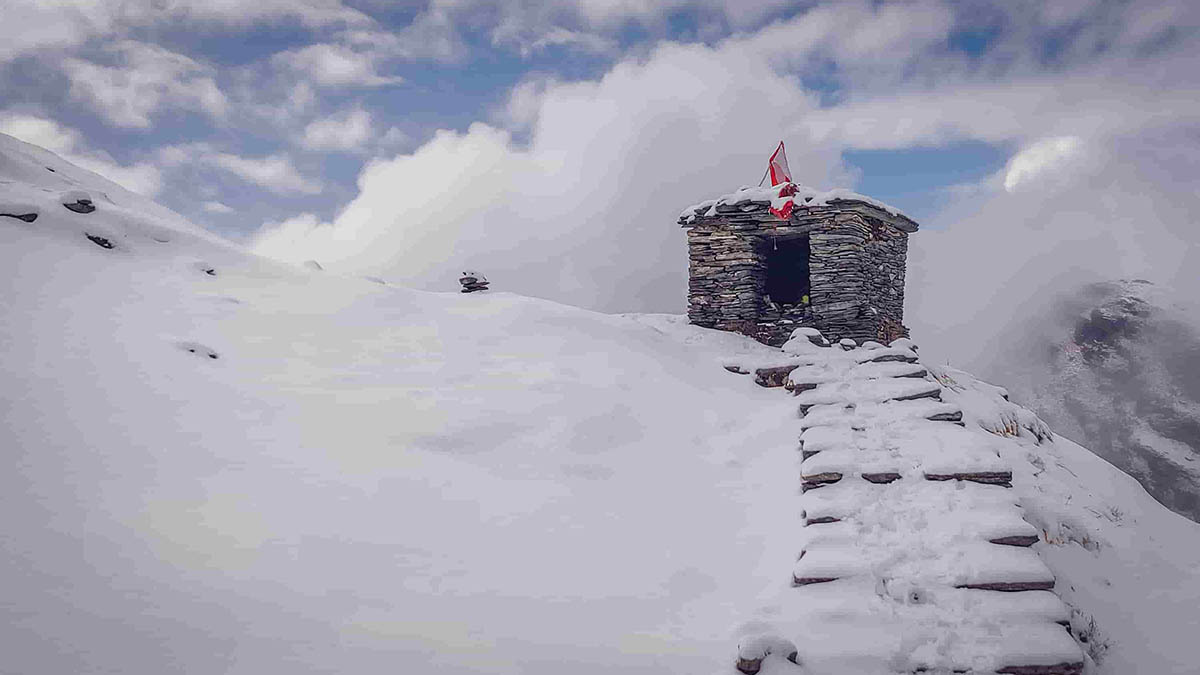
The best family treks in India include Dayara Bugyal in Uttarakhand, offering gentle meadow walks with stunning views of Bandarpoonch peak, with walking distances of 3-5 km per day suitable for children; Triund in Himachal Pradesh, a 2-day trek with spectacular Dhauladhar range views and well-maintained trails; Nag Tibba in Uttarakhand, known as the 'Serpent's Peak' with panoramic Himalayan views and manageable 2-3 day itinerary; Chopta Tungnath Trek, taking families to the highest Shiva temple at 12,000 feet with gradual ascents; and Har Ki Dun Trek lower sections, offering picturesque valley walks through traditional Himalayan villages. These treks feature child-friendly distances, gradual gradients, comfortable camping, experienced guides, and engaging nature experiences. Best seasons are summer (May-June) and autumn (September-October) when weather is stable and temperatures comfortable. Wildvoyages provides family-friendly camping arrangements, nutritious meals, and specialized child-focused guiding.
Children should pack lightweight, comfortable gear appropriate for the trek duration and season. Essential items include: well-fitted, broken-in trekking shoes with good grip (most important); comfortable backpack (20-30 liters) with padded straps; layered clothing including thermal innerwear, fleece jacket, waterproof outer shell; quick-dry trekking pants and shirts (avoid cotton); warm accessories (cap, gloves for higher altitudes); sunscreen SPF 50+, sunglasses, wide-brimmed hat; water bottle (1-2 liters); favorite snacks for energy; personal medications and basic first-aid; headlamp or torch (for overnight treks); change of clothes; and a small comfort item (favorite toy or book). Wildvoyages provides detailed family packing lists and can advise on appropriate gear. Parents should ensure children practice carrying their loaded backpack before the trek, and that all gear is properly fitted to prevent discomfort during walking.
Preparing children for a family trek involves physical, mental, and practical preparation. Physical preparation: begin 4-6 weeks before with regular family walks (2-5 km), gradually increasing distance; practice walking on uneven terrain; make it fun with nature scavenger hunts; ensure proper fitting and breaking-in of trekking shoes. Mental preparation: share exciting information about the trek, show photos/videos of the destination, read stories about mountains and nature, discuss what to expect (walking, camping, wildlife), and build positive excitement. Practical preparation: involve children in packing decisions, teach basic trekking etiquette (staying together, listening to guides), practice using trekking poles, and ensure understanding of safety instructions. Wildvoyages provides pre-trek guidance for families, including recommended activities to build enthusiasm. The key is making preparation engaging and building confidence while maintaining realistic expectations about challenges.
Family treks include a variety of engaging activities designed to make the experience educational and fun for children. Activities include: nature walks with guided interpretation of local flora, fauna, and geology; bird watching with identification guides; campfire evenings with storytelling about mountain culture and mythology; stargazing sessions identifying constellations; simple navigation exercises using maps and compass; photography walks teaching composition basics; learning local songs and games from Himalayan villages; wildlife tracking and identification of animal signs; and journaling or sketching activities to document the adventure. Wildvoyages guides are trained to engage children with age-appropriate information and activities, keeping them motivated throughout the trek. These activities transform the trek into an immersive learning experience that creates lasting memories while developing appreciation for nature and outdoor skills.
Family treks are designed to be easy to easy-moderate difficulty, ensuring children and families can enjoy the experience without excessive physical strain. Easy family treks like Dayara Bugyal feature gradual ascents (200-300 meters per day), walking distances of 3-5 km per day (2-4 hours), altitudes up to 8,000-10,000 feet, and well-marked trails suitable for children above 8 years. Easy-moderate family treks like Nag Tibba and Triund involve slightly steeper sections, distances of 4-6 km per day (3-5 hours), altitudes up to 9,000-11,000 feet, requiring children to have good basic fitness. Wildvoyages provides detailed difficulty ratings for each family trek, and guides set comfortable paces with frequent rest breaks. Families should choose treks matching their children's fitness levels and experience. Pre-trek consultations help select the most appropriate trek for each family's capabilities.
Wildvoyages implements specialized safety measures for family treks including: guides trained in child safety, pediatric first-aid, and engaging children; lower guide-to-family ratios (1:3-4 families) for personalized attention; carefully selected campsites with safe, flat terrain away from hazards; slower paced itineraries with frequent rest breaks suited to children's needs; continuous supervision of children during trekking and at campsites; child-appropriate meal planning with familiar, nutritious options; pre-trek safety briefings designed for children to understand; emergency protocols specific to family groups; first-aid kits with pediatric supplies; and communication devices for emergencies. Our guides are experienced in managing children's energy levels, motivation, and any concerns that arise. We maintain flexibility to adjust plans based on children's needs while ensuring safety remains the priority. Parental involvement and communication are encouraged throughout the trek.
The Dayara Bugyal family trek is one of India's most beautiful family-friendly adventures, offering gentle walks through one of the largest alpine meadows in Uttarakhand. The 3-4 day trek takes families through dense oak and rhododendron forests to the expansive meadows of Dayara Bugyal (12,000 ft), which stretch for kilometers offering 360-degree views of snow-capped Himalayan peaks including Bandarpoonch, Draupadi Ka Danda, and Srikanth. Children love the open meadows perfect for running and playing, the variety of wildflowers in summer, the snow play opportunities in winter, and the stunning sunrise views from the meadow. The trek features manageable distances (3-5 km per day), gradual ascents, comfortable camping on the meadows, and opportunities for bird watching, nature walks, and campfire storytelling. Wildvoyages provides child-friendly guides, quality camping equipment, nutritious meals, and engaging activities for this unforgettable family Himalayan experience.
The best time for family treks varies by region and desired experience. Summer (May-June) offers lush green meadows, pleasant temperatures (10°C-20°C daytime), and stable weather, making it ideal for families with children - this is the best time for Dayara Bugyal, Triund, and Har Ki Dun. Autumn (September-October) offers clear skies, spectacular mountain views, comfortable temperatures (8°C-18°C), and golden forest colors, perfect for photography and comfortable walking. Spring (March-April) features spectacular rhododendron blooms and pleasant weather, ideal for families who want to see the forests in bloom. Winter (December-February) offers snow experiences on family treks like Dayara Bugyal and Nag Tibba, with daytime temperatures 0°C-8°C requiring proper winter gear - suitable for families prepared for cold conditions and wanting snow experiences. Wildvoyages advises families to choose seasons matching their comfort levels and children's tolerance for different conditions.