
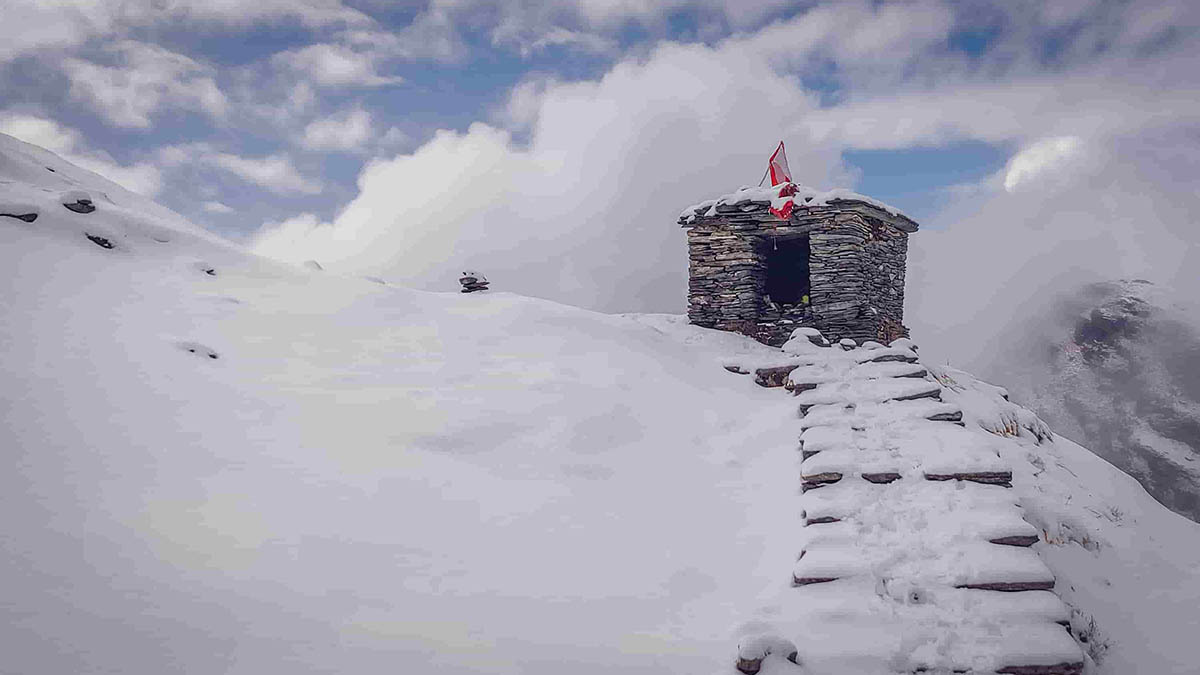
Moderate Difficult Treks
High-quality trekking adventures for every explorer.
High-quality trekking adventures for every explorer.
For trekkers seeking serious Himalayan challenges, our moderate-difficult treks offer demanding adventures that test endurance, altitude resilience, and trekking skills. These treks feature challenging terrain, altitudes exceeding 4,500 meters, longer trekking days (10-14 km), and technical sections that require good fitness, previous high-altitude experience, and strong determination. Treks like the Chadar Trek (frozen river), Pin Parvati Pass, and high-altitude variations of classic routes offer experienced trekkers the opportunity to push their limits while exploring some of the most remote and spectacular regions of the Indian Himalayas.
Frequently asked questions about Moderate Difficult trekking
Moderate-difficult treks represent a significant step up in challenge, designed for experienced trekkers with excellent fitness, prior high-altitude experience (above 14,000 feet), and proven trekking skills. These treks feature challenging terrain including steep ascents/descents, rocky sections, glacier crossings, and technical elements; walking distances of 10-15 km per day; elevation gains of 800-1,200 meters daily; altitudes ranging from 14,000-17,000 feet; and remote locations with limited infrastructure. Treks like Pin Parvati Pass, Chadar Trek (frozen river), Stok Kangri (summit climb), and Rupin Pass fall into this category. These treks require serious physical and mental preparation, technical skills for certain sections, and the ability to handle challenging conditions including extreme cold, high winds, and significant altitude. Wildvoyages provides expert guides with advanced mountaineering skills, comprehensive safety protocols, and specialized equipment for these advanced adventures.
The best moderate-difficult treks in India include Pin Parvati Pass Trek in Himachal Pradesh (10-12 days, 17,500 feet), a challenging crossing between the lush Parvati Valley and the stark Spiti Valley; Chadar Trek (Zanskar Frozen River Trek) in Ladakh (9 days, 11,000 feet), walking on the frozen Zanskar River in extreme winter conditions; Stok Kangri Trek in Ladakh (6-7 days, 20,180 feet), a high-altitude summit climb requiring basic mountaineering skills; Rupin Pass Trek in Himachal/Uttarakhand (8 days, 15,350 feet), known for its dramatic waterfall and snow bridges; and Kang Yatse Trek in Ladakh (8 days, 20,500 feet), another high-altitude summit climb. These treks offer the ultimate Himalayan adventure, requiring excellent fitness, prior high-altitude experience, and proper technical preparation. Wildvoyages provides expert guides, specialized equipment, comprehensive safety protocols, and extensive support for these challenging expeditions.
Moderate-difficult treks require exceptional fitness, significant prior high-altitude trekking experience (minimum 2-3 treks above 14,000 feet), and proven ability to handle challenging terrain and conditions. Wildvoyages requires mandatory fitness assessments, medical clearance, and verification of prior experience. Recommended preparation includes 14-16 weeks of intensive training: running 8-12 km daily, stair climbing with 12-15 kg backpack for 2-3 hours, regular hill training with 1,000+ meter elevation gains, and comprehensive strength training including squats, lunges, deadlifts, and core work. Technical skills required vary by trek: glacier travel skills for Pin Parvati, extreme cold endurance and balance for Chadar, basic mountaineering skills for Stok Kangri. Trekkers must have experience with multi-day high-altitude camping, understanding of altitude acclimatization, ability to recognize AMS symptoms, and strong mental resilience. Prior experience with the specific skills required for the chosen trek is essential.
Moderate-difficult treks operate at altitudes between 14,000-20,000+ feet (4,200-6,100+ meters), where altitude effects are severe and proper acclimatization is absolutely critical. Treks like Pin Parvati Pass reach 17,500 feet, Stok Kangri reaches 20,180 feet, Kang Yatse reaches 20,500 feet, and Rupin Pass reaches 15,350 feet. At these altitudes, oxygen levels are 40-50% lower than at sea level, and trekkers will experience significant altitude effects including severe shortness of breath, extreme fatigue, persistent headaches, sleep disturbances, loss of appetite, and risk of serious altitude sickness (HAPE/HACE). Wildvoyages designs itineraries with extensive acclimatization schedules including multiple rest/acclimatization days, gradual ascent profiles (200-400 meters per day after initial acclimatization), and mandatory health monitoring including regular oxygen saturation checks. Trekkers must be fully prepared for the physical and mental challenges of extreme altitude and strictly follow safety protocols.
Moderate-difficult treks require specialized technical equipment beyond standard trekking gear. For Pin Parvati Pass and glacier treks: mountaineering boots, crampons, ice axe, harness, rope, carabiners, glacier goggles, and technical clothing systems. For Chadar Trek (frozen river): insulated mountaineering boots rated to -30°C, microspikes or crampons, extreme cold clothing system including down suit or heavy down jacket and pants, insulated gloves (multiple pairs), and specialized sleeping bags rated to -30°C. For Stok Kangri and summit climbs: mountaineering boots with crampon compatibility, technical crampons, ice axe, harness, helmet, mountaineering rope, and high-altitude down suit. Wildvoyages provides most technical equipment for these treks, but trekkers must have their own properly fitted mountaineering boots and personal layering systems. All equipment must be tested and familiar before the trek. Detailed technical gear lists are provided well in advance.
The Pin Parvati Pass Trek is one of India's most challenging and rewarding moderate-difficult treks, crossing the high-altitude pass between Himachal Pradesh's lush Parvati Valley and the stark Spiti Valley. The 10-12 day trek reaches 17,500 feet (5,334 meters) and involves challenging terrain including glacier crossings, steep snow climbs, and technical sections requiring crampons and ice axe skills. The trek starts from the beautiful Parvati Valley with its dense forests and waterfalls, passes through remote villages like Kheerganga and Tunda Bhuj, and crosses the glacier before descending into the high-altitude desert of Spiti. Highlights include spectacular views of peaks like Pin Parvati Peak (22,010 ft), crossing the glacier at the pass, and experiencing the dramatic landscape transition. This trek requires excellent fitness, prior high-altitude experience, glacier travel skills, and proper preparation. Best time is July-September. Wildvoyages provides expert guides with mountaineering qualifications, technical equipment, and comprehensive safety protocols.
The Chadar Trek, also known as the Zanskar Frozen River Trek, is one of the world's most unique moderate-difficult treks, walking on the frozen Zanskar River in Ladakh during extreme winter conditions (January-February). The 9-day trek takes place when temperatures drop to -20°C to -35°C, and the river freezes into a thick sheet of ice (chadar). Trekkers walk 10-15 km daily on the frozen river, navigating sections of smooth ice, rough ice, snow-covered sections, and occasional open water. The trek offers unparalleled experiences of Ladakh's stark winter beauty, with towering canyon walls, frozen waterfalls, and the unique culture of remote Zanskar villages. This trek requires extreme cold weather experience, excellent balance and endurance, ability to handle temperatures below -20°C, and strong mental resilience. Technical equipment includes insulated mountaineering boots, microspikes/crampons, and extreme cold weather gear. Wildvoyages provides expert guides, comprehensive winter equipment, and safety protocols for this once-in-a-lifetime adventure.
The Stok Kangri Trek is a high-altitude summit climb in Ladakh, reaching 20,180 feet (6,153 meters), making it one of the highest trekking peaks in India. The 6-7 day expedition starts from Stok village near Leh and involves trekking to base camp, advanced base camp, and a summit attempt requiring technical mountaineering skills including crampon use, ice axe handling, and glacier travel. The summit climb typically starts at 1-2 AM to reach the summit by sunrise, involving steep snow and ice sections. The reward is spectacular 360-degree views including the Karakoram Range, Zanskar Range, and peaks like K2 (distant) on clear days. This trek requires excellent fitness, prior high-altitude experience (above 16,000 ft), basic mountaineering skills, and proper acclimatization. Best time is June-September. Wildvoyages provides qualified mountaineering guides, technical equipment (crampons, ice axes, harnesses, ropes), and comprehensive safety protocols including oxygen support for this challenging summit climb.
Wildvoyages implements advanced safety protocols for moderate-difficult treks including highly experienced mountaineering guides with international certifications (UIAA/IFMGA preferred), mandatory pre-trek medical screening and fitness assessments, comprehensive health monitoring including regular oxygen saturation and blood pressure checks, medical kits with advanced altitude sickness treatment (including Diamox, dexamethasone, nifedipine), oxygen cylinders and portable altitude chambers (Gamow bags) at all camps, satellite phones and multiple communication devices for emergency connectivity, and detailed evacuation protocols with helicopter rescue coordination. Technical safety includes guide-to-client ratios of 1:2-3 for summit attempts, backup guides, daily safety briefings, thorough equipment checks, and weather monitoring with contingency plans. We provide all technical equipment including ropes, ice screws, and safety gear. All guides carry avalanche safety equipment (beacons, probes, shovels) for relevant treks. Safety is the absolute priority, with summit attempts cancelled if conditions are unsafe.
To prepare for a moderate-difficult trek, begin intensive training 16-20 weeks before the trek including running 10-15 km daily or equivalent cardio, stair climbing with 12-15 kg backpack for 2-3 hours daily, regular hill training with 1,000+ meter elevation gains, and comprehensive strength training (squats, lunges, deadlifts, core work) 3-4 times weekly. Wildvoyages provides mandatory pre-trek fitness assessments, personalized training plans, and medical screening. Gain prior high-altitude experience through moderate treks (14,000-16,000 ft) before attempting moderate-difficult treks. Practice with technical gear (crampons, ice axe) if applicable. Mental preparation including visualization, stress management, and developing resilience is crucial. Consult with a doctor about high-altitude travel and appropriate medication. Ensure proper nutrition and hydration during training. Familiarize yourself with altitude sickness symptoms and emergency procedures. Join Wildvoyages' preparation calls and community for guidance. Honest assessment of your fitness and experience is essential - these treks require exceptional physical and mental readiness.