
Whether you're planning a weekend trek to Kalsubai, a monsoon adventure in the Sahyadris, a backpacking expedition, or a Himalayan trek like Valley of Flowers, Hampta Pass, Kedarkantha, or Kashmir Great Lakes, you've probably noticed one common thing.
The same trek is often offered by multiple companies at completely different prices.
One operator may charge ₹999.
Another may charge ₹2,499.
A third may charge ₹4,999 for what appears to be the exact same experience.
For larger expeditions, the gap can be even bigger.
Naturally, most trekkers ask:
"Why do trekking companies charge different prices?"
It's a fair question.
After all, the mountain is the same.
The trail is the same.
The destination is the same.
So what exactly are you paying for?
The answer lies in everything that happens behind the scenes.
A trek package includes much more than transportation and a guide. Safety standards, trek leaders, logistics, food, accommodation, equipment, sustainability initiatives, permits, local support, and customer service all contribute to the final cost.
In fact, a typical trek package can include 8–12 different cost components that most trekkers never see.
Understanding these factors can help you choose the right trekking company based on value, experience, and reliability rather than simply choosing the lowest price.
At Wildvoyages, we believe trekking should combine adventure, safety, responsible travel, and meaningful experiences. Learn more About WildVoyages and what drives our approach to creating unforgettable journeys.
Why Trek Prices Vary Between Companies: Safety Standards Matter
One of the biggest reasons trekking companies charge different prices is safety.
Safety is often the first area where professional operators invest heavily and budget operators try to cut costs.
• Mountains can be unpredictable.
• Weather conditions can change rapidly.
• Trail conditions can become challenging.
• Unexpected medical situations can arise at any time.
• Professional trekking companies invest in:
• Certified trek leaders
• First Aid training
• Emergency medical kits
• Rescue planning
• Health monitoring systems
• Emergency communication equipment
• Safety protocols and risk assessments
These systems require continuous training and investment.
While trekkers may never directly see these costs, they play a major role in ensuring a safe and enjoyable experience.
Before booking any trek, it's worth understanding the safety measures followed by your operator. Explore the Safety Standards followed by Wildvoyages and how preparation and training contribute to safer adventures.
Why Trek Prices Vary Between Companies: Group Size and Personal Attention
Many trekkers overlook group size when comparing prices.
Imagine two trekking groups.
Group A - 50 trekkers - 2 trek leaders
Group B - 15 trekkers - 2 trek leaders
Which group is likely to receive more support and attention?
Smaller groups typically provide:
• Better interaction with trek leaders
• Faster support during emergencies
• More personalized guidance
• Better pace management
• Less crowding on the trail
However, smaller groups also increase operating costs because staffing expenses are divided among fewer participants.
This is one reason premium operators often charge more than large-volume trekking companies.
Why Trekking Companies Charge Different Prices for Trek Leaders and Guides
A trek leader does much more than show the route.
Experienced leaders become mentors, problem-solvers, motivators, and safety managers throughout the journey.
Professional trek leaders help:
• Monitor participant wellbeing
• Handle emergencies
• Manage group dynamics
• Share local insights
• Support beginners
• Coordinate logistics
• Experienced professionals require training and fair compensation.
• Companies that invest in skilled leaders naturally incur higher operational costs, which are reflected in package pricing.
Why Trek Prices Vary Between Companies: Transportation and Logistics
Transportation is one of the most overlooked factors in trek package comparisons.
Some operators include:
• Comfortable transportation
• Reliable pickup and drop services
• Experienced drivers
• Well-maintained vehicles
• Efficient logistics management
• Others may reduce transportation quality to lower costs.
A smooth travel experience before and after the trek can significantly impact overall satisfaction, even though many trekkers don't consider it during booking.
Why Trekking Companies Charge Different Prices for Food and Hospitality
Food is often underestimated when comparing trek packages.
On a trek, food isn't just about taste.
It is your primary source of energy.
Quality trekking companies invest in:
• Fresh ingredients
• Hygienic preparation
• Nutritious meals
• Balanced menus
Experienced support staff
While reducing food quality can lower package costs, it often affects comfort, energy levels, and overall trek enjoyment.
Good food can transform an average trek into a memorable one.
Why Trek Prices Vary Between Companies: Equipment and Gear Quality
Equipment quality is another major pricing factor.
Professional operators invest in:
• Tents
• Sleeping bags
• Sleeping mats
• Kitchen equipment
• Safety gear
• Communication devices
• Maintaining and replacing equipment regularly requires substantial investment.
Better equipment usually means:
• Better comfort
• Better weather protection
• Improved reliability
• Increased safety
For trekkers who don't want to purchase expensive gear, Wildvoyages offers Trekking Gear Rentals that provide access to quality equipment without a large upfront investment.
Why Trekking Companies Charge Different Prices for Sustainable Practices
Responsible trekking goes beyond reaching a summit.
Many operators actively invest in:
• Waste management programs
• Environmental conservation
• Trail clean-up initiatives
• Responsible tourism practices
• Local employment opportunities
• These efforts require additional resources and planning.
While they may increase costs, they also help preserve trekking destinations for future generations.
Learn how Wildvoyages promotes Sustainable Trekking Practices through responsible tourism and community-focused initiatives.
Why Trek Prices Vary Between Companies: Permits and Compliance Costs
Many trekkers don't realize how many permissions and operational requirements are involved in organizing a trek.
These expenses often include:
• Forest permits
• Government approvals
• Local administration fees
• Insurance requirements
• Staff management
• Taxes and compliance costs
• Responsible operators ensure all regulations are followed properly.
While these costs remain largely invisible to trekkers, they form an important part of the overall package price.
Why Trekking Companies Charge Different Prices for Customer Support
The trekking experience begins long before you reach the trailhead.
Professional trekking companies often provide:
• Trek planning assistance
• Fitness recommendations
• Packing guidance
• Travel support
• Equipment recommendations
• Pre-trek briefings
• These services require dedicated staff and resources.
Good customer support may not be immediately visible in a price comparison, but it can dramatically improve the overall experience.
A Trek Is More Than a Transaction
When comparing trek prices, it's easy to focus only on numbers.
But trekking is not simply a product.
It's an experience.
Years later, most people won't remember exactly how much they paid for a trek.
What they will remember is:
• The sunrise from the summit
• The friends they made on the trail
• The challenges they overcame
• The confidence they gained
• The memories they created
• Many trekkers return home with a renewed sense of confidence and perspective.
• The value of those experiences is difficult to measure with a price tag.
For many people, trekking becomes a journey of self-discovery and personal growth. Explore how adventure contributes to Transforming Life Through Trekking.
How to Compare Trek Packages Properly
Instead of asking:
"Which company is cheaper?"
Ask:
• What safety measures are in place?
• What is the group size?
• How experienced are the trek leaders?
• What transportation is included?
• What meals are provided?
• What equipment standards are maintained?
• Does the company follow sustainable practices?
• What support is available before and during the trek?
The answers to these questions often explain the price difference immediately.
Frequently Asked Questions
• Why do trekking companies charge different prices?
Trekking companies charge different prices because of variations in safety standards, trek leader expertise, group size, accommodation quality, transportation, food, equipment, sustainability initiatives, permits, and customer support.
• Is a more expensive trek always better?
Not necessarily. However, higher-priced treks often include better safety measures, more experienced trek leaders, quality equipment, smaller group sizes, and better logistics.
• What should I compare besides trek price?
You should compare safety standards, group size, guide experience, accommodation quality, food, transportation, equipment, company reputation, and customer support.
• How do I choose the right trekking company?
Choose a company that prioritizes safety, transparency, sustainability, and customer experience rather than focusing only on the lowest price.
• Are trekking gear rentals a good option?
Yes. Renting trekking equipment is often a cost-effective option for beginners and occasional trekkers who don't want to purchase expensive gear immediately.
Final Thoughts
The next time you compare trekking packages, remember that the destination may be the same, but the experience can be very different.
Price differences often reflect differences in:
• Safety
• Expertise
• Logistics
• Group size
• Food quality
• Equipment standards
• Sustainability efforts
• Customer support
Choosing a trekking company isn't simply about finding the lowest price.
It's about finding the best value for the experience you want.
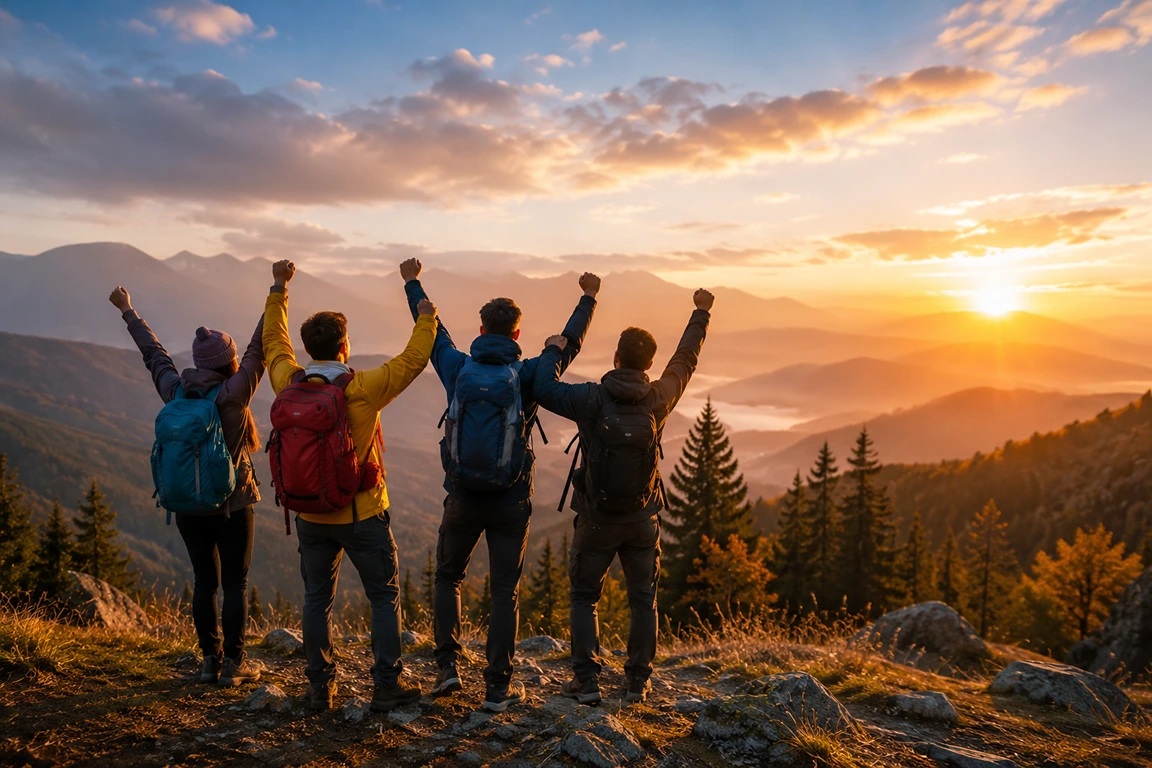
Because when you're standing on a mountain ridge, watching the sunrise paint the landscape in shades of gold and orange, the memories you create will always matter more than the amount you saved during booking.
And that is what you're truly paying for.
If you're looking for adventures that prioritize safety, sustainability, quality experiences, and meaningful connections with nature, discover Why Trekkers Choose Wildvoyages.